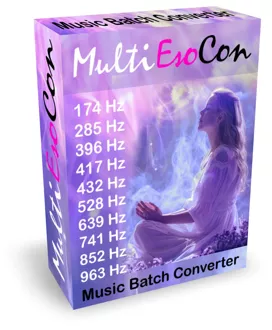
One of the special features of the batch convert tool is its ability to fluidly transform audio files to 852 Hz, promoting harmony and balance in sound healing practices.
One noteworthy feature of batch conversion to 852 Hz involves maintaining audio quality during the conversion process. High-quality algorithms assure that the integrity of the original sound is preserved. This aspect is critical, especially when working with musical compositions or voice recordings that require specific tonal characteristics. Advanced software provides options for lossless conversion, enabling users to retain the original fidelity of their audio files.
Compatibility is another fundamental aspect of batch converting to 852 Hz. Many audio editing programs are designed to handle different file formats, such as WAV, MP3, and FLAC, allowing for versatile usage. Users can select the source format and target format efficiently, ensuring that the output meets their specific needs. This flexibility supports a broad range of applications, from music production to sound therapy.
User-friendly interfaces augment the experience of batch converting to 852 Hz. Many applications feature drag-and-drop functionality, simplifying the process of adding files for conversion. Intuitive navigation and clear labeling of options reduce the learning curve for new users. This accessibility encourages a wider range of idealists to utilize batch conversion capabilities, regardless of their technical expertise.
Error handling and feedback mechanisms form an indispensable part of the batch conversion process. Strong software typically includes error detection that alerts users to issues during conversion, such as unsupported file types or corrupted files. Additionally, progress indicators inform users of the conversion status, providing clarity on the remaining time. Such features guarantee that users remain informed and can address any potential issues promptly.
Customizable settings allow users to tailor the batch conversion process to their specific requirements. Options might include adjusting the output bitrate, choosing between mono or stereo formats, and applying any desired effects or filters. This level of control enables users to create outputs suited to their project needs, ensuring consistency in sound quality and presentation across multiple files.
To use the 852 Hz converter, simply upload your audio files, select the desired output frequency, and initiate the batch conversion process for instant results.
Once the appropriate 852 Hz converter is chosen, the next step is to connect it to the source and load devices. This process often requires secure wiring and adherence to electrical safety standards. Users should secure that influence is disconnected during the setup to avoid electrical hazards. Proper terminals should be used to maintain a stable connection, minimizing the risk of signal loss or distortion during operation.
After establishing the physical connections, configuring the 852 Hz converter's settings is crucial. This may involve adjusting parameters such as output voltage, frequency, and phase shift to meet specific requirements of the application. Some converters come with built-in interfaces for monitoring and adjusting these parameters, whereas others may require external tools or software for configuration. Ensuring these settings align with the intended use case aids in achieving optimal performance.
Testing the output of the 852 Hz converter follows the configuration phase. Users should monitor the output frequency to confirm it reaches the desired 852 Hz without significant fluctuations. Measuring equipment like oscilloscopes or frequency counters can provide accurate data during this testing phase. Consistent readings indicate that the converter operates correctly, though any irregularities may necessitate adjustments or troubleshooting.
Once testing confirms proper functionality, the 852 Hz converter can be integrated into the larger system. This integration often involves coordinating with other components, ensuring that the output frequency aligns with the system's operational requirements. Users may need to work closely with system specifications to guarantee that the entire setup operates harmoniously, especially in sensitive applications where frequency stability is critical.
Regular maintenance of the 852 Hz converter improves longevity and performance. Users should periodically check connections for wear and tear, ensuring that all terminals remain secure. Additionally, monitoring for dust accumulation or environmental factors that could impact performance is advisable. Routine testing can help detect any deviations in output frequency early, allowing for timely interventions.
The following list outlines the detailed instructions for configuring a 852 Hz converter, which is commonly used in sound therapy and frequency healing practices. Follow these steps carefully to confirm proper setup and optimal performance:
Following this procedure will help you effectively utilize your 852 Hz converter for sound therapy or personal wellness applications. Always refer to the specific manufacturer's usage directions for your device to assure best practices are followed.
The 852 Hz converter is designed to provide a smooth experience, augmenting audio tracks by tuning them to frequencies associated with spiritual awakening and inner peace.
In audio technology, the 852Hz converter employs digital signal processing techniques to manipulate sound waves. This involves sampling audio signals at specific intervals, allowing for precise frequency adjustments. The outcome is a modified sound that aligns with the 852Hz frequency, potentially providing therapeutic benefits for listeners. The processing also includes filtering and modulation to boost the overall quality of the sound output.
The purposes for the 852Hz converter extend to various fields, including music therapy and meditation practices. Practitioners utilize this frequency to promote relaxation and deeper states of meditation. By integrating sounds produced by the 852Hz converter into therapeutic sessions, facilitators aim to create an environment conducive to healing and self-discovery.
Designing a 852Hz converter requires careful consideration of the components and technology used. High-quality audio interfaces and sound synthesis methods are necessary for maintaining the integrity of the desired frequency. Additionally, many converters incorporate programmable features, allowing users to customize their auditory experiences, strengthening the versatility of the device.
In terms of user experience, the 852Hz converter can be integrated into various audio playback systems. This includes standalone devices, mobile applications, and software plugins designed for digital audio workstations. The ability to incorporate this frequency into everyday listening environments makes the 852Hz converter accessible to a wider audience seeking its unique benefits.
Further exploration of the 852Hz converter reveals its potential in sound healing practices. Practitioners believe that sounds at this frequency can help restore balance within the body's energy fields. Some studies suggest that exposure to specific sound frequencies, including 852Hz, may influence physiological responses and promote overall well-being.
Batch converting to 852 Hz allows users to process multiple audio files simultaneously, saving time during ensuring that each track echoes with the healing properties of this frequency.
Many audio editing tools support batch conversion functions, enabling users to apply consistent settings across numerous files. This consistency can streamline workflows in professional audio environments, such as music production, sound therapy, or digital content creation. Users typically select the desired audio files, specify the target frequency of 852 Hz, and initiate the conversion process. The software then processes each file according to the defined parameters, maintaining the original content however adjusting the pitch.
In terms of audio quality, batch conversion to 852 Hz requires careful attention to the format of the input files. Lossless formats, such as WAV or FLAC, in most cases retain better sound quality throughout the conversion process compared to compressed formats like MP3. When converting audio files, preserving sound fidelity can significantly impact the effectiveness of the audio, especially if the material is used for therapeutic or meditative purposes.
Different software solutions offer varying levels of control over the batch conversion settings. Users may have options to adjust additional parameters, such as bit rate, sample rate, and channel configuration. This flexibility allows for adapted audio output that meets specific pre-requisites for various applications. Choosing the right software and settings can finally affect the user experience and the intended outcomes of the converted audio.
The technological underpinnings of batch conversion include algorithms that analyze the original audio frequencies and apply mathematical adjustments to reach 852 Hz. These algorithms guarantee that the harmonic structure of the audio remains intact as it undergoes the conversion. Observing the mechanics behind these processes can be beneficial for those looking to maximize the effectiveness of their audio files in achieving specific auditory goals.
Another important aspect of batch conversion to 852 Hz is the compatibility of various audio formats. Users must consider the target format post-conversion, as certain audio players may not support all file types. Ensuring that the final output format is widely accepted can enrich accessibility for listeners. This consideration is particularly indispensable for content creators and therapists who distribute audio files to a broader audience.