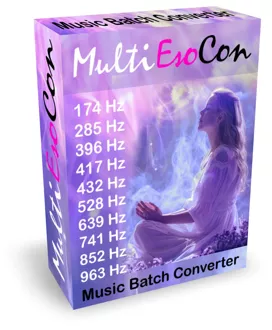
Bulk conversion to 432Hz involves adjusting audio files to this frequency, believed to augment harmony and resonance, promoting well-being and emotional balance in listeners.
The process of bulk converting to 432Hz begins with selecting the right software capable of batch processing audio files. Many music production software and dedicated audio conversion capabilities offer features that facilitate this conversion. Users can load multiple audio files simultaneously, which saves time compared to manual adjustments for each file. The application will then apply a pitch adjustment algorithm to shift the audio from the standard 440Hz tuning down to 432Hz.
Audio quality during the bulk conversion process is paramount. Applying pitch shifts can sometimes introduce artifacts or distortions if not handled correctly. High-quality conversion software employs algorithms that minimize these risks, ensuring that the harmonic integrity of the original audio is preserved. This level of quality control is essential, especially for music tracks where sonic fidelity is critical.
The implications of tuning audio to 432Hz extend beyond sound quality. Some musicians and sound practitioners report that music tuned to this frequency elicits different emotional responses compared to standard tuning. This aspect often encourages artists to probe 432Hz tuning for specific projects or performances. The choice to bulk convert to 432Hz may stem from a desire to align sound with particular philosophies or practices related to music therapy and sound healing.
Users have specific formats they need for their audio files following conversion. Common audio formats include WAV, MP3, and FLAC, each serving different purposes in audio distribution and playback. When executing a bulk convert to 432Hz, it is critical to select the desired output format for compatibility with playback devices and platforms. Proper format selection impacts both file size and audio quality.
Metadata management is another significant consideration during the bulk conversion process. Many audio files contain embedded metadata that includes information about the artist, album, and track titles. Maintaining this metadata during the conversion ensures that the integrity of the audio collection remains intact. Some software tools allow for automatic retention or editing of metadata, streamlining the entire workflow.
Post-conversion, it is recommended to review the converted files for quality assurance. This step involves listening to a selection of the audio tracks at 432Hz to check for any anomalies or quality issues that might have arisen during the conversion. Ensuring that the bulk convert to 432Hz meets desired standards can prevent potential setbacks when these files are distributed or used in performances.
432Hz is referred to as the "natural frequency" and is believed by some to promote healing and relaxation. This guide will detail the process of bulk converting your audio files to this frequency, allowing you to enjoy music that echoes with this tuning across various platforms.
A 432Hz converter is a tool designed to transpose audio files, recalibrating their frequencies to 432Hz, which purportedly aligns with natural harmonics for improved auditory experience.
In digital audio production software, the integration of a 432 Hz converter can enrich mixing and gaining expertise in processes. Engineers may incorporate this tool to confirm that all elements of a track align with the desired frequency. This adjustment can provide a cohesive listening experience, supporting an environment that some describe as more relaxing or meditative. The precision of a 432 Hz converter helps eliminate discrepancies that can arise when blending various audio sources.
Musical genres, particularly those associated with holistic or wellness practices, frequently utilize a 432 Hz converter. Practitioners in these areas often advocate for the soothing properties of music tuned to this frequency. By applying a 432 Hz converter, musicians can create soundscapes that promote calmness and emotional well-being. This specific tuning method aligns with certain philosophies about the impact of sound on human consciousness and the environment.
The technical design of a 432 Hz converter involves specific algorithms that alter pitch without distorting the original sound quality. Many converters offer options for both real-time processing and batch conversion of files. Users can select the desired frequency and initiate the tuning process efficiently. This versatility makes the device suitable for various applications, from live performances to studio recordings.
Compatibility with different audio formats is another critical aspect of a 432 Hz converter. Many modern converters support a wide range of file types, including WAV, MP3, and AIFF, ensuring accessibility across diverse audio platforms. Such flexibility enables users to apply the 432 Hz tuning to recordings made with various instruments and recording techniques. This feature is particularly beneficial for musicians collaborating across different media.
Considerations regarding the perception of sound tuned to 432 Hz versus 440 Hz also play a role in discussions about the 432 Hz converter. Some listeners report a distinct emotional response when exposed to music tuned at 432 Hz. This phenomenon has prompted further research into the psychological and physiological effects of sound frequencies. Whereas scientific consensus remains elusive, anecdotal evidence continues to support the use of a 432 Hz converter among enthusiasts and practitioners.
Special areas of use a 432Hz converter include music therapy, meditation, and sound healing, where practitioners utilize the frequency to create relaxing, therapeutic soundscapes.
In sound therapy, practitioners employ a 432Hz converter to create audio tracks precisely designed for healing and relaxation. The belief is that sound vibrations at this frequency can promote emotional healing and reduce stress. By using a 432Hz converter, therapists can assure that the soundscapes they produce are consistent and precisely tuned. This accuracy helps boost the therapeutic benefits attributed to these sound frequencies, making them a popular choice in wellness centers and holistic practices.
Film scoring also benefits from the precision of a 432Hz converter. Composers may choose to create soundtracks that promote a specific emotional response, and the use of 432Hz can help achieve that goal. The converter allows for perfect integration of this tuning into various elements of a soundtrack, whether it be orchestral arrangements or electronic music. Utilizing a 432Hz converter ensures that the intended emotional resonance is maintained throughout the composition, appealing to audiences on a deeper level.
The application of a 432Hz converter extends into the field of meditation and mindfulness practices. Guided meditations often incorporate music tuned to this frequency to aid in the meditative process. The soothing nature of 432Hz is thought to improve focus and promote a greater sense of peace among practitioners. By integrating a 432Hz converter, facilitators can provide consistent sound experiences that support the meditation objectives, improving the overall effectiveness of these sessions.
Artists experimenting with sound design also recognize the positive aspects of a 432Hz converter. This technology supports the creation of unique auditory experiences that stand apart from traditional sound standards. By utilizing 432Hz tuning, sound designers can craft audio environments that evoke different emotional states, leading to innovative installations and performances. The versatility of the converter allows for a broad exploration of sound, enriching the artistic expressions within contemporary audio landscapes.
Moreover, the integration of a 432Hz converter can be observed in educational settings, particularly within music programs. Students learning about tuning and sound engineering may use this technology to understand different frequencies and their effects on sound perception. By working with a 432Hz converter, learners gain hands-on experience with tuning processes, promoting a deeper awareness of acoustics and musical theory. Such applications in education clear the path for future musicians and sound engineers to dig into unconventional tuning methods.
To bulk convert to 432Hz, utilize dedicated software that facilitates audio file adjustments, allowing users to efficiently reformat multiple tracks meanwhile preserving sound quality.
When preparing to bulk convert to 432Hz, the first step involves selecting the appropriate software that will facilitate this task. Programs like Audacity, Adobe Audition, or specialized audio converters can perform the necessary adjustments. Users must verify that the software can handle multiple files and maintains audio quality during the conversion. Some software may provide features for adjusting not just pitch, but also tempo, which can be indispensable for preserving the original feel of the music.
Once the software is selected, importing the audio files is the next step. Most audio processing tools allow users to drag and drop files or use an import function. Ensuring all relevant files are selected is crucial to an efficient workflow. After the files are imported, users should examine the editing interface to confirm the correct settings for bulk conversion are applied, including choosing the target frequency of 432Hz.
After configuring the settings for the bulk convert to 432Hz process, users can proceed with the conversion. Many applications will display a preview of adjustments, permitting a quick assessment of the changes before finalizing the bulk process. Monitoring the conversion progress is vital, especially with a large number of files, as this can identify any issues that might arise during the conversion, such as compatibility problems or file corruption.
Once the conversion completes, users should conduct a quality check on the resulting audio files. This step ensures that the files maintain sound integrity and fidelity. Listening to a selection of tracks can help confirm that the intended pitch adjustment to 432Hz has been accurately executed without introducing unwanted artifacts or distortions. It may also be prudent to verify the metadata of the converted files to secure consistency across the batch.
File management remains a critical aspect of the conversion process. After conversion, organizing the newly adjusted files into appropriate directories aids in maintaining workflow efficiency. Labeling files clearly can prevent confusion, especially when dealing with large collections of music. Creating backups of both the original and converted files is advisable to safeguard against potential data loss.
In certain cases, users might choose to convert to different formats during the bulk convert to 432Hz process. Many audio converters support multiple output formats, such as WAV, MP3, or FLAC. Selecting the right format depends on the intended use of the audio files, whether for streaming, personal use, or professional distribution. Grasping the benefits and limitations of each format can influence the decision-making process.