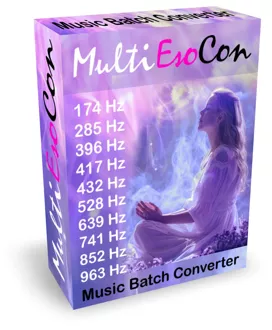
Bulk converting audio files to 528Hz involves changing the pitch of multiple tracks simultaneously, creating a harmonious sound frequency believed to promote healing and positivity.
When bulk converting to 528Hz, it is indispensable to understand how music software and batch processing applications can streamline the operation. Many DAWs feature automation scripts that can apply pitch shifts across numerous tracks in one operation. This feature minimizes manual input and reduces the likelihood of errors during the conversion process. Users need to assure that their software supports batch processing features to facilitate this transition.
Compact overview
Different methods exist for altering audio frequencies. One common approach involves using pitch-shifting algorithms, which can raise or lower the frequency of sound waves without distorting the original audio quality. Digital signal processing techniques play a crucial role in achieving accurate frequency adjustments. The algorithms must maintain the integrity of the sound, especially in musical compositions, to avoid any unwanted artifacts.
Maintaining audio quality during a bulk convert to 528Hz is essential. Users should select high-quality audio files as input to guarantee optimal output. Lossy compression formats may degrade sound quality, so using lossless formats like WAV or FLAC is advisable during the conversion. Additionally, testing a few files before proceeding with the bulk operation can help identify any potential issues with the selected software or settings.
Metadata preservation is another factor to reflect on during bulk conversions. Many audio files contain important metadata, such as artist name, album title, and track number. Using software that retains this information during the conversion process ensures that the audio files remain organized and searchable. Some applications allow users to customize metadata fields, providing flexibility for cataloging audio files post-conversion.
The demand for audio files tuned to 528Hz has grown in various sectors, including relaxation music, meditation tracks, and sound therapy. Many practitioners in these fields advocate for the benefits associated with this frequency, leading to its increased usage in commercially available products. Bulk conversion processes cater explicitly to this market, enabling content creators to quickly adapt their audio offerings to meet consumer preferences.
A 528Hz converter is a specialized tool that alters audio frequencies to 528Hz, used in music therapy, meditation, and spiritual practices to enrich emotional well-being.
The core capabilities of a 528 Hz converter involves digital signal processing techniques, which manipulate sound waves to achieve the desired frequency output. This process may include techniques like time stretching and pitch shifting, ensuring that the original audio maintains its integrity however adjusting to the specific frequency. High-quality converters utilize advanced algorithms to minimize distortion, preserving the natural characteristics of the sound.
Many musical instruments and audio equipment designed for therapeutic uses incorporate a 528 Hz converter to produce sounds that align with the healing attributes associated with this frequency. Such instruments may include tuning forks, singing bowls, and digital synthesizers particularly programmed to generate sounds at 528 Hz. Musicians and sound therapists use these tools to create soundscapes that facilitate relaxation and mindfulness during sessions.
Technological advancements have led to the development of software-based 528 Hz converters that can be used in professional audio production settings. These software applications allow users to import audio files and apply the conversion process digitally. This flexibility enables sound engineers and producers to incorporate the healing frequencies into various music genres, boosting tracks with the soothing elements attributed to 528 Hz.
In therapeutic practices, the application of a 528 Hz converter plays a critical role in sound healing sessions. Practitioners may combine various techniques, such as guided meditation and breathwork, with audio tuned to this frequency. This combination aims to assist participants in achieving a state of relaxation, facilitating emotional release and promoting overall well-being.
The impact of a 528 Hz converter extends beyond individual practice; it also finds applications in group settings, such as workshops and retreats focused on sound therapy. In these environments, large speakers or multiple sound sources equipped with a 528 Hz converter can create an immersive auditory experience. Participants benefit from the collective resonance of sound, amplifying the therapeutic effects often sought in these communal practices.
The 528Hz converter adjusts musical notes, uplifting standard pitches to the 528Hz frequency, which is associated with the "Love Frequency" and is said to cultivate transformation.
Working With a 528Hz converter requires an awareness of harmonic tuning and how sound waves interact with human emotions. The converter can process various types of sound, including music, nature sounds, and spoken word, transforming them into healing frequencies. By applying the appropriate settings, users can achieve the desired resonance that is believed to promote relaxation and positive energy. This feature enables practitioners to tailor sound experiences for individual needs, making it a versatile tool in sound therapy.
The technology behind a 528Hz converter often involves digital signal processing (DSP) techniques. These techniques allow for precise adjustments to the frequency spectrum of the audio, ensuring that the output aligns closely with the targeted 528Hz. Some converters offer real-time processing, enabling users to modify sound live during performances or sessions. This immediate feedback can augment the interactive experience between the practitioner and the audience, promoting a deeper connection through sound.
Many users of a 528Hz converter report benefits in both personal and professional settings. In therapeutic environments, these devices can aid in meditation, stress relief, and emotional healing. Music therapists might incorporate the converter into sessions, strengthening the efficacy of their practices. Additionally, connoisseurs may use the converter at home to create a peaceful atmosphere, promoting mindfulness and relaxation in their daily routines.
Integration with other audio equipment strengthens the capabilities of the 528Hz converter. Users can connect the device to speakers or headphones, ensuring optimal sound delivery. Advanced models may offer connectivity options for smartphones and computers, allowing for easy access to a wide range of audio sources. This compatibility ensures that the 528Hz converter can be cohesively incorporated into existing audio setups, making it accessible for various applications.
The construction and design of the 528Hz converter also play a role in its performance. High-quality components can improve the clarity and fidelity of the output sound, ensuring that the healing properties of the 528Hz frequency are maintained. Many converters feature user-friendly interfaces that allow for straightforward adjustments, catering to both novices and experienced users. Attention to detail in the design can boost the overall user experience, leading to more effective sound therapy practices.
One aspect often overlooked in bulk converting to 528Hz is the potential loss of audio quality or musicality, which can significantly affect the listening experience.
Another overlooked factor involves the original tuning of audio files. Many tracks are recorded in standard tuning (440Hz), but some may already have been altered or produced in alternate tunings. This discrepancy can lead to unexpected results during the conversion process. Awareness of the original pitch can assist in making informed decisions to preserve the intended sonic characteristics.
The processing strength required for bulk conversion can also be significant. Depending on the software used and the number of files being processed, the system may experience strain. High CPU and memory usage can lead to slowdowns, resulting in longer wait times. Ensuring that the hardware meets the demands of bulk converting to 528Hz can prevent bottlenecks and improve efficiency.
Quality control post-conversion is another aspect frequently neglected. After bulk conversion, checking the output files for consistency in frequency and integrity is essential. Differences in volume levels or unintended distortions may arise during the conversion process, especially with large batches. Conducting thorough tests on a sample set of files helps secure that the conversion meets the expected standards.
Metadata preservation is disregarded during bulk conversions. Many audio files contain necessary information, such as artist names, album titles, and track numbers. When bulk converting to 528Hz, some software may strip this metadata, leading to loss of valuable identification data. Selecting tools that maintain or allow for the re-insertion of metadata can enrich the usability of the files once converted.
User interface design of conversion software can impact the workflow experience significantly. Complex or non-intuitive interfaces may lead to errors during the bulk conversion process. Familiarity with the features of chosen software can streamline operations and minimize mistakes. Ensuring a smooth user experience contributes to a more efficient conversion process overall.
When converting audio files to the 528Hz frequency, many enthusiasts and professionals focus solely on the conversion process whereas overlooking several essential factors that can significantly impact the quality and effectiveness of the audio. Here are some commonly overlooked aspects:
By addressing these aspects, you can assure a more successful and meaningful conversion to 528Hz that amplifies the listening experience.