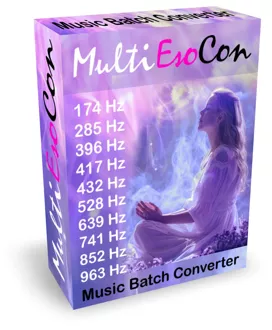
To convert instruments to 432 Hz, you can use tuning software or apps that adjust the pitch of your audio files, altering them to align with the 432 Hz frequency.
The next step in the procedure requires selecting appropriate software or tools capable of pitch alteration. Audio production platforms such as Ableton Live, Logic Pro, or FL Studio often feature built-in pitch-shifting capabilities. In addition, dedicated software like Audacity or Melodyne can facilitate the conversion process. Confirm the software can handle the pitch adjustment without significantly degrading audio quality.
Quick insight
Once the software is selected, import the instrumental track into the workspace. After importing, locate the pitch adjustment feature within the interface. Usually, this feature allows for precise control over semitones. Since 432 Hz is approximately 31.76 cents lower than the standard 440 Hz, it is necessary to input this value for an accurate conversion. This step requires attention to detail, as even slight inaccuracies can lead to undesired tonal qualities.
After applying the pitch shift, it is indispensable to analyze the resulting waveform and frequencies. Use a spectrum analyzer or similar tool to visualize the frequency distribution of the audio. This analysis confirms that the A4 note now aligns with the 432 Hz frequency. Listening critically to the converted track helps identify any artifacts or distortions introduced during the pitch adjustment process.
Next, consider the effects of the conversion on the overall mix balance. Altering the pitch can impact how individual instruments interact within the overall soundscape. Balance each element of the mix by adjusting levels or applying additional effects as necessary. Maintaining clarity and ensuring that no elements overpower others is crucial for a cohesive final product.
Once the mix sounds satisfactory, export the converted track in the desired format. Most software allows for various export options, including WAV, MP3, or AIFF. Select high-quality settings to preserve the audio integrity, especially if the track is intended for professional use. Make certain that the sample rate and bit depth are appropriate to maintain fidelity throughout the listening experience.
The rewards of using a 432 Hz converter include a potentially more harmonious sound, relaxation, and improved mood for listeners, as this frequency is associated with nature.
Another significant aspect of the 432 Hz converter involves its impact on listener engagement. Musicians and sound designers have reported that compositions tuned to this frequency strike a chord more profoundly with audiences. The natural harmonics produced when using a 432 Hz converter can engage listeners on a subconscious level, promoting a more immersive experience. This effect can augment both live performances and recorded music, attracting listeners who seek a more profound auditory experience.
Tuning musical instruments to 432 Hz has been linked to the principles of sacred geometry and natural acoustics. Many proponents argue that this frequency aligns harmoniously with the natural patterns found in the universe. Using a 432 Hz converter can help artists create music that reflects these intrinsic patterns, potentially increasing the aesthetic value of their compositions. This alignment with natural frequencies may amplify the emotional response from the audience, making performances more impactful.
The incorporation of a 432 Hz converter into sound healing practices presents another avenue for exploration. Practitioners utilize specific frequencies to address various physical and emotional ailments. The 432 Hz frequency is said to promote overall well-being, and some practitioners believe it encourages healing at a cellular level. This belief is supported by anecdotal evidence from those who have experienced relief from various conditions after exposure to sounds produced by a 432 Hz converter.
Research into the physiological effects of music suggests that frequencies can influence heart rate and blood pressure. The calming effects associated with 432 Hz might contribute to lowering stress levels and promoting relaxation. This frequency's ability to create a soothing sound environment can be particularly advantageous in clinical settings or wellness retreats. Therefore, the use of a 432 Hz converter may improve the therapeutic perks of music in these environments.
Education on the gains from a 432 Hz converter is gaining traction in both music and wellness communities. Workshops and seminars focus on the practical areas of use this frequency in music production and sound therapy. Participants often learn about the historical significance of 432 Hz tuning and its resurgence in modern practices. By grasp the potential benefits, individuals can consciously choose to incorporate this frequency into their musical and therapeutic endeavors.
The 432 Hz tuning frequency is celebrated for its potential therapeutic and harmonic properties. Below is a detailed list of benefits that can be derived from utilizing a 432 Hz converter:
A 432 Hz frequency converter can be useful for musicians and sound therapists, allowing them to investigate alternative tuning methods and enrich their audio experiences.
The implementation of a 432 Hz frequency converter can augment the listening experience by creating a sense of calmness and relaxation for some users. Many proponents believe that music tuned to this frequency can stimulate emotional and physical well-being. As a result, various audio production software now includes options for converting standard recordings to the 432 Hz tuning, allowing for widespread use in different musical genres.
Notably, the technology behind a 432 Hz frequency converter incorporates various algorithms that manage pitch shifting without compromising audio quality. The converter maintains the integrity of the original sound though adjusting its frequency. Advanced converters utilize high-resolution processing to secure that nuances and details in the audio are preserved during the conversion process.
In the music industry, the adoption of a 432 Hz frequency converter has gained traction among artists seeking an alternative to mainstream tuning practices. Some musicians claim that audiences respond more positively to music tuned to 432 Hz, reporting an strengthened emotional connection. The use of this converter can influence the overall perception of music, giving it a unique character that differs from the typical 440 Hz standard.
Compatibility with various audio formats is another consideration for those using a 432 Hz frequency converter. Many converters are designed to work easily with popular digital audio production software, allowing for easy integration into existing workflows. Users can convert tracks in real time or apply the tuning to individual audio samples, thus expanding creative possibilities in music production.
Furthermore, the accessibility of 432 Hz frequency converters has increased with the rise of mobile applications. Musicians and hobbyists can now use these apps to tune their instruments or adjust recordings on-the-go. Such convenience boosts collaboration opportunities, as artists can easily share and modify music in the 432 Hz tuning across different platforms.
Notable traits of a 432 Hz converter include its ability to create a soothing auditory experience and its emphasis on natural resonance, promoting well-being and balance.
Another feature of the 432Hz converter lies in its digital processing capabilities. Advanced algorithms analyze the incoming audio signal and apply the necessary pitch adjustments. This digital manipulation not only preserves the integrity of the original audio quality but also enables real-time adjustments that cater to various musical genres. The technology behind these converters often employs high sample rates and bit depths, ensuring that the output remains clear and energetic even though adhering to the 432 Hz tuning standard.
Musicians and sound engineers frequently utilize the 432Hz converter to create music intended for relaxation and meditation. This application stems from the belief that 432 Hz aligns with the vibrational frequency of nature, leading to a more peaceful and calming listening experience. By integrating this converter into their workflow, artists can produce tracks that strike a chord on a deeper emotional level with their audience. The choice of instrumentation and arrangement can further improve the effects of the 432 Hz tuning, creating a rich elaborate weave of sound designed especially for tranquil environments.
Compatibility is a critical characteristic of the 432Hz converter. Many devices can accommodate various audio formats, including audio software, synthesizers, and other sound sources. This flexibility allows musicians to flawlessly incorporate the converter into their existing setups, amplifying their creative possibilities. Whether working with live instruments or pre-recorded tracks, the converter effectively bridges the gap between traditional and modern musical practices.
The 432Hz converter also offers user-friendly interfaces, often featuring intuitive controls for pitch adjustment and monitoring. These interfaces can range from simple dials and sliders to sophisticated touchscreens, providing users with direct access to their audio settings. Feedback mechanisms, such as visual metering or waveform displays, enable musicians to gauge their adjustments in real time. This ease of use encourages experimentation, encouraging users to investigate thoroughly the full range of possibilities that 432 Hz tuning presents.
In terms of portability, the 432Hz converter varies widely in design, catering to both studio and on-the-go applications. Some models are compact, making them suitable for mobile setups, during others are designed for permanent installation in recording studios. The diversity of form factors means that users can choose a model that best fits their individual needs, whether it be for live performances or studio recordings. This characteristic strengthens the accessibility of 432 Hz tuning, allowing more musicians to experiment with this unique approach.