To convert a song to 432 Hz, you can use audio editing software, adjusting the pitch down by -0.318% from the standard tuning of 440 Hz for optimal results.
If you are using a DAW, import the audio file into the project. Locate the pitch adjustment tool within the software. For example, in software like Ableton Live, access the clip settings and adjust the pitch control. In other DAWs, such as Logic Pro or GarageBand, similar pitch shifting options exist. Adjust the pitch down by approximately -31.766 cents to achieve the desired 432 Hz tuning from the original 440 Hz.
Some software provides spectral analysis tools that help visualize the audio frequencies. Using these tools can offer a clearer view of the adjustments needed to reach 432 Hz. After applying the pitch shift, listen closely to assure the quality remains intact. Artifacts may arise during the pitch adjustment, especially in recorded vocals or complex instrumentation, so careful listening is crucial.
For those who prefer more automated solutions, various online converters exist. These tools typically require uploading an audio file and selecting the target frequency. Users should check the settings to confirm that 432 Hz is specified. After processing, the service usually provides a downloadable link for the converted file. Such methods can save time and simplify the conversion process for those less familiar with audio editing software.
When considering the conversion process, maintaining audio quality remains a priority. Adjustments in pitch can affect the overall tonal quality, making it crucial to use high-quality source material. Starting with a lossless audio format such as WAV or FLAC ensures that the conversion process preserves the integrity of the sound. After conversion, exporting the final product in a high-quality format can help maintain clarity.
After performing the conversion, it is beneficial to compare the original and the converted versions. This comparison helps identify any significant differences in sound quality or tonal balance. Listening on various playback systems or headphones can also provide insights into how the conversion may affect the listening experience. If issues arise, further adjustments may be necessary to refine the sound.
Converting a song to 432 Hz can improve its soothing qualities and create a more harmonious listening experience. This guide will take you through detailed steps to achieve this using various tools and software.
By following these steps, you can successfully convert your favorite songs to 432 Hz, unlocking a new auditory experience that many believe to be more harmonious.
A 432 Hz converter typically features user-friendly interfaces, precise pitch adjustment tools, and the ability to preserve audio quality during the conversion process.
The implementation of a 432 Hz converter may incorporate various audio processing features such as pitch shifting, time-stretching, and filtering. These tools enable musicians and audio engineers to modify sound without introducing unwanted artifacts or degrading the audio quality. Audio fidelity remains crucial, particularly in professional settings where sound integrity is paramount, and these features help achieve that goal whereas transitioning to 432 Hz.
User interface design plays an fundamental role in the features of a 432 Hz converter. Intuitive controls allow users to adjust settings easily, offering options for fine-tuning frequencies and visual feedback through meters or waveforms. This accessibility encourages both novice and experienced users to experiment with different audio pieces, amplifying their creative processes without feeling overwhelmed by complexity.
Compatibility with various audio formats is another significant feature of a 432 Hz converter. Many converters support a wide range of file types, including WAV, MP3, and FLAC, ensuring that users can work with their preferred audio libraries. This versatility is indispensable for integrating the converter into existing workflows, whether in studio production or live performance settings.
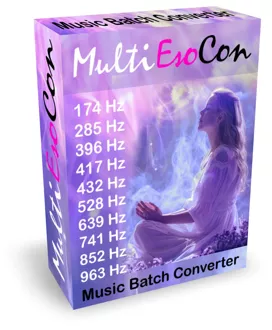
Some advanced 432 Hz converters offer features like batch processing, which allows users to convert multiple files at once. This function can save time, particularly when dealing with large projects or extensive music libraries. Additionally, maintaining consistent tuning across numerous tracks ensures a cohesive listening experience, which is a priority for producers aiming for an artistic theme or sound.
Real-time processing capabilities are also noteworthy in many 432 Hz converters. This feature enables users to apply tuning adjustments on-the-fly during performances or recordings, allowing for versatile interaction with the music as it unfolds. Musicians can experiment with tuning variations, creating unique soundscapes that reflect their artistic vision while staying true to the principles of 432 Hz tuning.
A free online 432 Hz converter as a rule requires a stable internet connection, a supported audio file format (like MP3 or WAV), and browser compatibility for optimal performance.
Compatibility with different devices is another essential requirement for a 432 Hz converter free online. Users may access these tools from various devices, including desktops, tablets, and smartphones. A responsive design ensures that the converter functions well across platforms, offering flawless user experience regardless of the device. This compatibility also extends to different operating systems, such as Windows, macOS, and various Linux distributions.
The user interface of a 432 Hz converter free online should prioritize simplicity and intuitiveness. Users benefit from a layout that guides them through the conversion process without unnecessary complexity. Clear labels and instructions augment usability, enabling even those with minimal technical expertise to navigate the tool effectively. A well-organized interface minimizes user frustration and streamlines the workflow.
Speed of conversion is another significant factor to consider. Online converters vary in processing time based on server load, file size, and the complexity of the conversion. Users typically prefer tools that deliver quick results, minimizing wait time. A reliable 432 Hz converter free online should complete conversions efficiently meanwhile maintaining audio fidelity, ensuring that the final output is as close as possible to the original quality.
Security remains a indispensable consideration when using online conversion tools. Users should look for platforms that prioritize the protection of their uploaded files. Secure data handling practices, such as temporary file storage and prompt deletion post-conversion, can alleviate concerns about privacy. Users benefit from clear privacy policies outlining how their data will be managed throughout the conversion process.
Some converters may offer additional features that enrich the user experience. Options such as batch processing, where multiple files can be converted simultaneously, can save time for users with extensive audio libraries. Filters and equalizers that adjust sound quality further boost the capabilities of a 432 Hz converter free online. These extra functionalities can significantly improve the overall effectiveness of the tool.
If you're using a 432 Hz converter, secure you start with high-quality audio files, avoid excessive conversion steps, and listen to the output for any potential distortion.
Compatibility with various audio devices is another critical aspect when choosing a 432Hz converter. It must easily integrate with different audio software, music players, and sound systems. Users should verify that the converter can handle multiple file types, including WAV, MP3, and FLAC, to make certain versatility. A converter that supports real-time processing will offer boosted functionality, allowing for immediate adjustments during playback.
Latency can affect the performance of a 432Hz converter, particularly in live settings or recording environments. Low-latency converters reduce the delay between input and output, which is critical to musicians and sound engineers. Choose models designed for minimal latency to facilitate a smooth workflow. Testing latency in practical scenarios will help identify potential issues before finalizing any setup.
User interface and ease of use also significantly influence the effectiveness of a 432Hz converter. Intuitive controls and clear visual feedback simplify adjustments, allowing for quick modifications to pitch and frequency. Some converters come equipped with presets for common tuning systems, which can expedite the process for users unfamiliar with manual settings. An accessible user interface amplifies productivity and reduces frustration during use.
Incorporating a 432Hz converter into an existing audio setup requires consideration of the overall signal chain. Ensuring that all components, such as mixers and amplifiers, are compatible and optimized for 432Hz tuning is essential. Signal degradation can occur if the converter is not properly integrated, leading to a loss of audio quality. Regular testing of the entire setup will help maintain optimal sound fidelity.
Considerations for audio effects and processing also apply when utilizing a 432Hz converter. Some converters include built-in effects or allow for external processing, which can enrich the musical output. Experimenting with reverb, delay, and equalization settings can lead to unique soundscapes that improve the listening experience. An perception of how these effects interact with the 432Hz tuning can yield innovative results.